Conference Matters international
Human, not humanoid
Technology, specifically AI, seems to be right, left and centre, with new developments happening on an almost daily business. And while this will of course impact the event industry, it is my believe that the human aspects of what we do will only become more important. And while it sounds like a contradiction, technology which will allow us to do so.
If you look specifically at the AIPC community of convention centres, AI indeed has a lot of potential: from robots doing back-of-house deliveries like in Marina Bay Sands to the use of chatbots to deal faster with customer queries.
However, at the end, convention centres and the events they host are about connecting people and there is a real need for that. The World Health Organization (WHO) has highlighted loneliness as a major global public health issue, indicating that about one in six people worldwide are affected. People want to be part of a community but seem to have ‘forgotten’ how to do so.
This is driven by cultural shifts, changing social norms and the use of technology, which impacted the way we connect. Both my children are GenZ, so I witness firsthand how very differently they connect and network. Phones are no longer used to call and talk to each other, but are used to send messages, connect to (digital) communities which reflect their values and find content, which is perceived as relevant to them, resulting in a high degree of personalization. Spontanuous connections, like while waiting in the queue for a coffee, are far less likely to happen.
So how can this be addressed? In my view, it is the use of technology which will allow to reconnect persons in a physical setting, like a business meeting. But is does mean that we will need to do a number of things differently.
It will all start with the registration, which will become the true engine of the human connectivity at the event. Instead of just asking for name, title and company, far more data will be collected on the objectives and wishes of the delegates. What do you want to achieve? How do you like to network? Which type of people would you like to meet? This dataset will be cross-referenced with publicly available data, allowing to create a highly personalized journey, both at the level of the content and the level of the networking, moving away from a mass agenda. Technology will even allow to take it one step further and compare the expected behaviour of the delegates with the actual behaviour, allowing to adjust almost instantly in case of discrepancies.
Will this take away the serendipity, which every event afficionado thinks so highly about? Potentially. Does this reinforce the echo-chamber effect, whereby we only connect with persons who think just like us? There will be a certain degree of that. But at the end, all what this technology will do is support people to learn, share and connect in the way they want and with whom they want, cutting through the noise and getting the maximum value out of the event.
So while the robots and the chatbots will of course bring efficiency, the same technology will also allow to address the very human need to connect and be part of a community of real persons, look each other in the eyes and sharing real experiences.
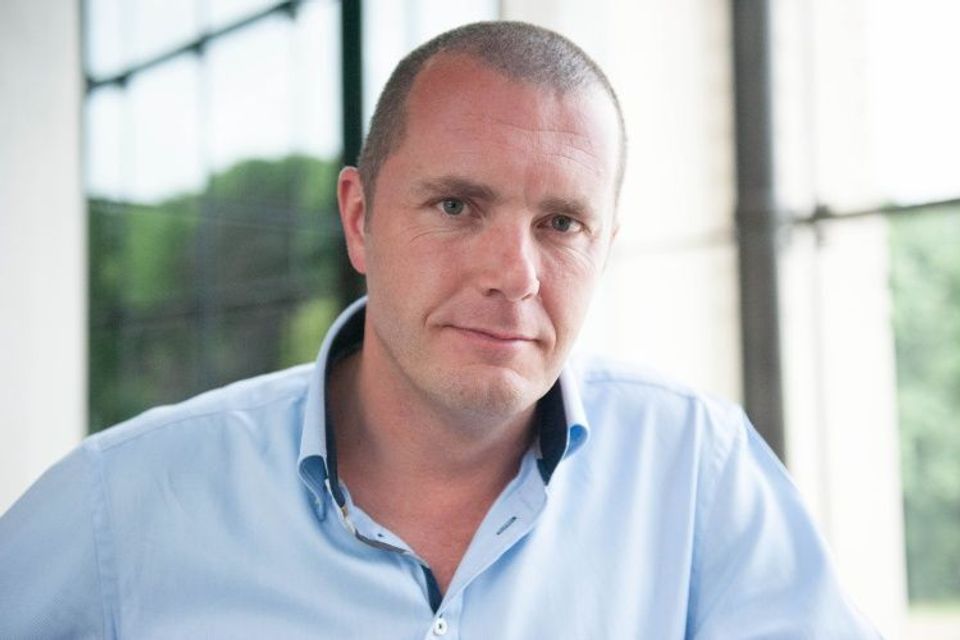
Sven Bossu
CEO of the International Association of Convention Centres (AIPC)
Comments? Send an e-mail to conferencematters@zynchrone.com.
Deel dit bericht
Reacties
Er zijn nog geen reacties.
Plaats een reactie
Je moet ingelogd zijn om een reactie te plaatsen.